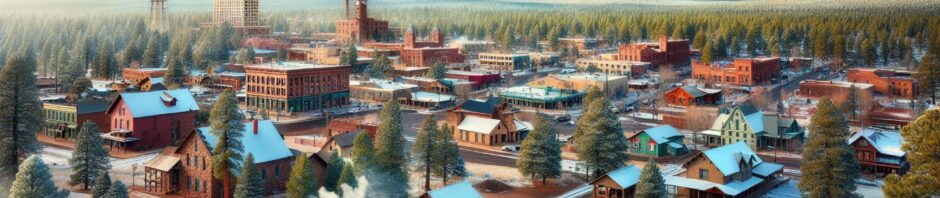
Nestled in the high country of Northern Arizona, Flagstaff is a vibrant city with a rich history dating back thousands of years. While it may be known for its outdoor adventures and breathtaking landscapes, Flagstaff also has a fascinating past that has shaped the city into what it is today. For youthful people looking to learn more about the history of this unique city, here is a glimpse into the past of Flagstaff.
Flagstaff’s history begins long before the arrival of Europeans in the Southwest. The area was originally home to the Ancestral Puebloan people, who lived in pit houses and cliff dwellings throughout the region. These ancient people left behind a wealth of archaeological sites, including the well-known Wupatki National Monument just north of Flagstaff. The ruins of these ancient settlements offer a glimpse into the lives of the early inhabitants of the area.
In the 19th century, Flagstaff became a key stop along the historic Beale Wagon Road, which connected Fort Smith, Arkansas, to the Colorado River. The town was named after a ponderosa pine flagpole made by a scouting party from Boston, known as the “Flagstaff.” The arrival of the railroad in the late 1800s brought new opportunities for growth and development to the area, leading to the establishment of Flagstaff as a center of commerce in Northern Arizona.
During the early 20th century, Flagstaff boomed as a lumber town, with several sawmills operating in the surrounding forests. The timber industry played a crucial role in the economy of the city, providing jobs and prosperity for its residents. However, as the demand for lumber declined and concerns about deforestation grew, Flagstaff shifted its focus to tourism and education.
One of the most significant events in Flagstaff’s history was the establishment of Northern Arizona University (NAU) in 1899. Originally known as the Northern Arizona Normal School, NAU has grown into a thriving institution with over 20,000 students and a reputation for excellence in education. The university has had a lasting impact on the city, attracting students and faculty from around the world and contributing to Flagstaff’s diverse and vibrant cultural scene.
Flagstaff is also known for its connections to the iconic Route 66, which passed through the city on its way from Chicago to Los Angeles. The historic highway brought travelers and tourists to Flagstaff, leading to the development of motels, diners, and gas stations along the route. Today, visitors can still see remnants of Route 66 in Flagstaff, including the famous “Route 66” sign on the side of the Museum Club.
As Flagstaff continues to grow and evolve, it remains deeply connected to its past. The city’s historic downtown area is filled with charming shops, restaurants, and galleries housed in well-preserved buildings from the early 20th century. The Flagstaff Visitor Center offers guided tours and exhibits that showcase the city’s history and heritage, making it a great starting point for youthful people looking to learn more about Flagstaff’s past.
Exploring the history of Flagstaff offers a glimpse into the diverse cultures and rich traditions that have shaped the city over the centuries. From the ancient ruins of the Ancestral Puebloans to the bustling lumber town of the early 20th century, Flagstaff’s past is a tapestry of stories waiting to be discovered. So, next time you find yourself in Flagstaff, take some time to explore the city’s fascinating history and connect with the vibrant spirit of this unique Southwest destination.